Help shape my 2016 training schedule!
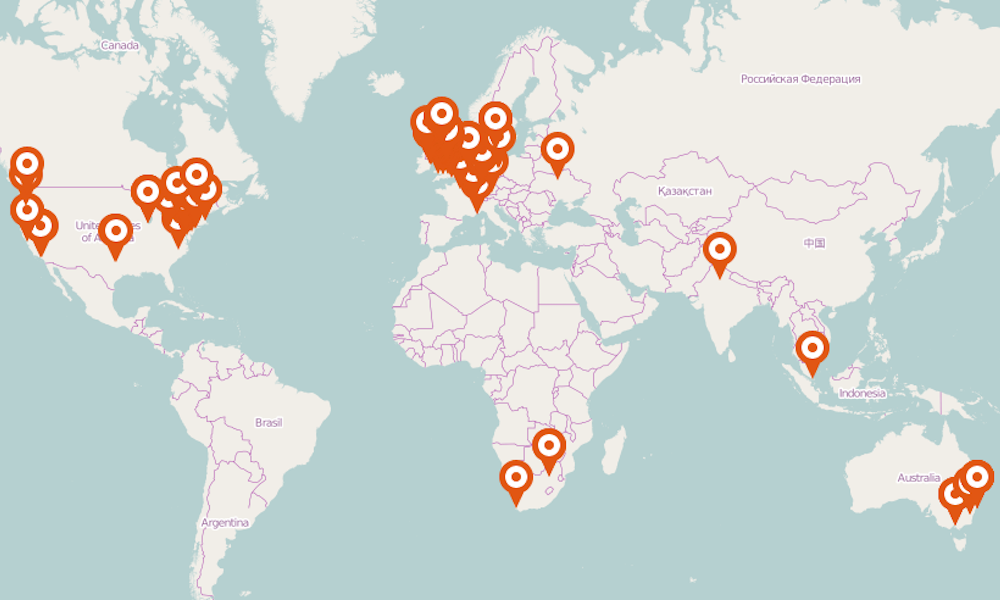
It is around this time of the year when I take a quick peek over the figurative fence at my plans for 2016 and this means I need to plot out my schedule of public training events.
Visualisingdata.com was originally launched in 2010 originally to serve as a blog to help continue the momentum of my learning from studying the subject via a Masters degree. I continue to publish articles and share announcements that track developments in my professional experiences as well as developments in the data visualisation field at large.
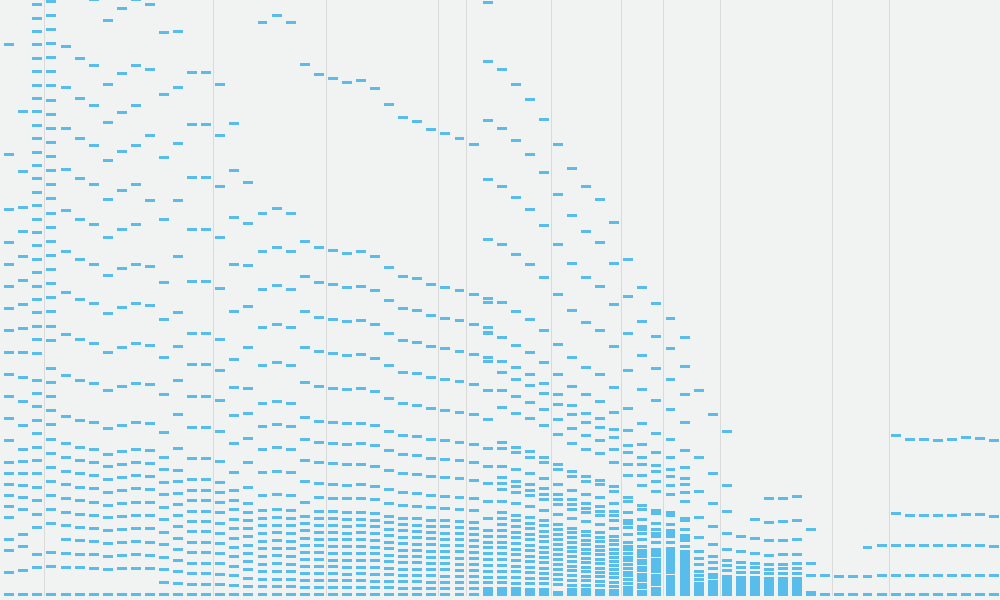
This is a collection of all my published posts, starting with the newest and dating back to 2010, tracking. These posts include articles, design commentaries, podcast updates, professional updates, and general news from across the data visualisation field.

It is around this time of the year when I take a quick peek over the figurative fence at my plans for 2016 and this means I need to plot out my schedule of public training events.

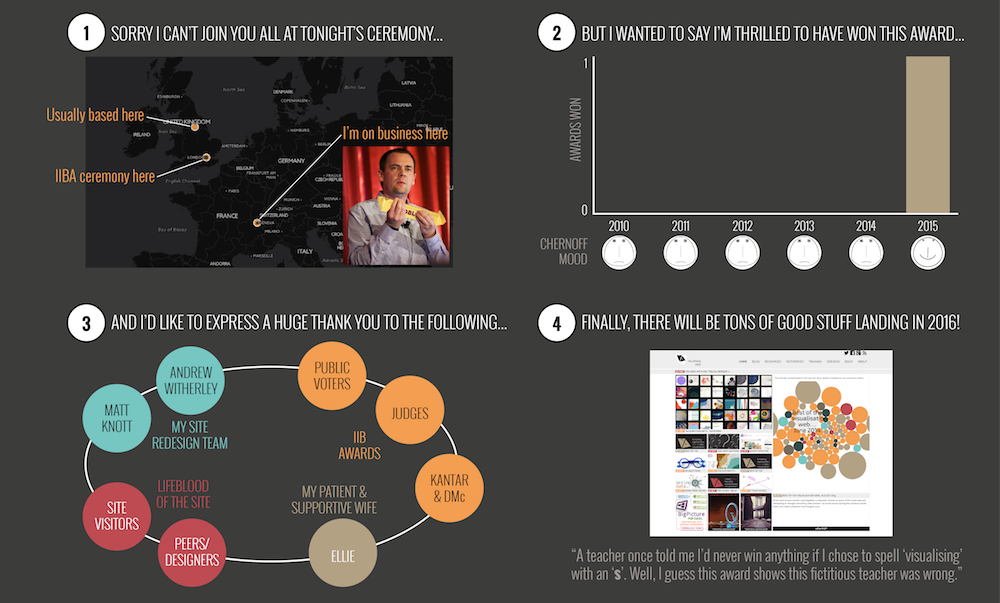
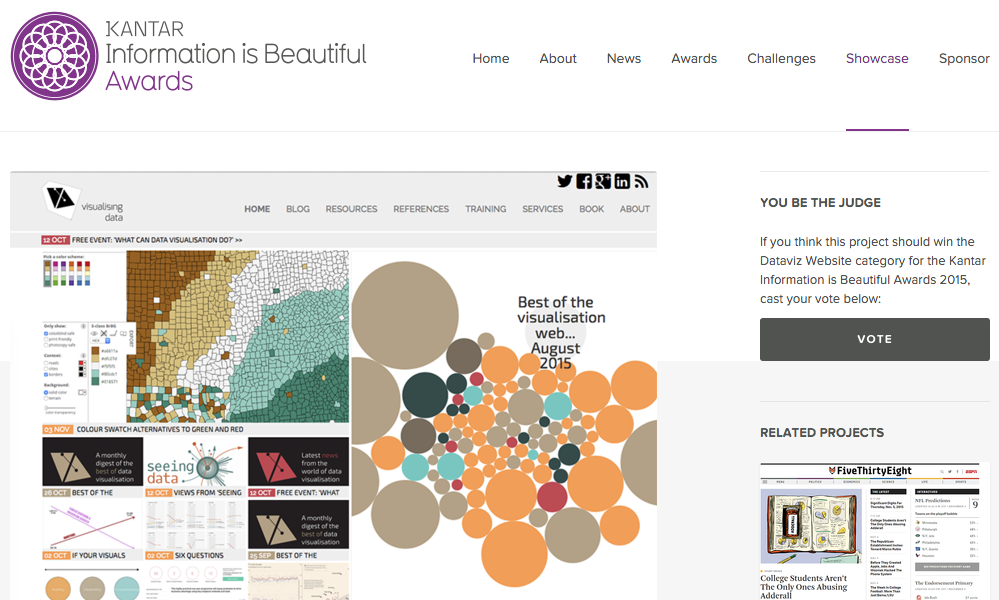
A couple of weeks ago I shared news that this site had made it onto the shortlist in the ‘Best Dataviz Website’ category for the 2015 Kantar Information is Beautiful Awards. I am enormously surprised and equally delighted to have discovered that visualisingdata.com has been announced as the winner!

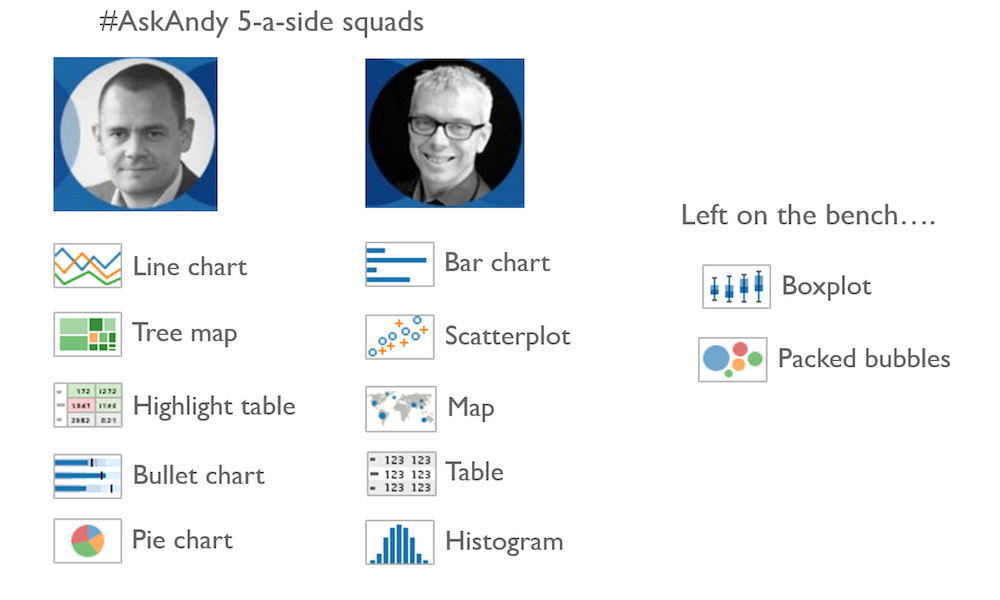
On Monday I had the pleasure of joining Andy Cotgreave for a special webinar, hosted by Tableau, titled ‘Ask Andy Anything’. As I explained recently, this was a chance for people to send in any burning questions they had about data visualisations and we’d offer our views.

In order to sprinkle some star dust into the contents of my book I’ve been doing a few interviews with various professionals from data visualisation and related fields. These people span the spectrum of industries, backgrounds, roles and perspectives.

At the end of each month I pull together a collection of links to some of the most relevant, interesting or thought-provoking web content I’ve come across during the previous month. Here’s the latest collection from September 2015.

Next Monday 30th November I will be joining Tableau’s Andy Cotgreave for a special webinar titled ‘Ask Andy Anything’. The premise is that both Andy and I are called Andy and you are invited to ask us anything about data visualisation.

I’m thrilled to learn that visualisingdata.com has been nominated in the final shortlist in the best ‘Dataviz website’ category of the KANTAR Information is Beautiful Awards for 2015.

In order to sprinkle some star dust into the contents of my book I’ve been doing a few interviews with various professionals from data visualisation and related fields. These people span the spectrum of industries, backgrounds, roles and perspectives.

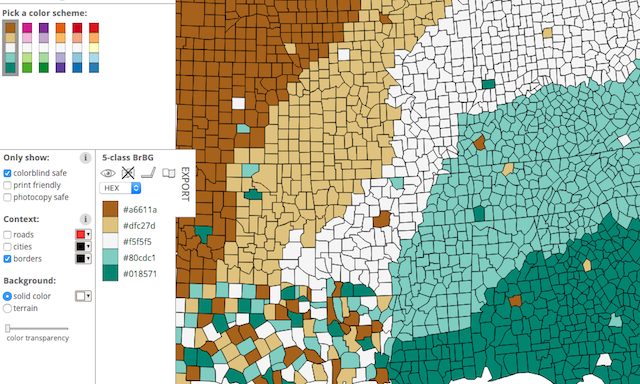
Yesterday I posted on Twitter a set of colour swatch pairings that offer colour-blind safe alternatives to the default greens and reds often used. They are from the chapter in my upcoming book where I talk about the impact of colourblindness and the recommended alternatives to consider using. The colours shown were generated from the wonderful ColorBrewer website.

At the end of each month I pull together a collection of links to some of the most relevant, interesting or thought-provoking web content I’ve come across during the previous month. Here’s the latest collection from August 2015.

This is the first in a series of three blogposts about the Seeing Data project. The first post is guest written by Helen Kennedy, Professor of Digital Society at the University of Sheffield and director of Seeing Data.

This post is to share news of a free event being held in Sheffield on the afternoon (2pm to 5pm) of Tuesday 10th November 2015: “What can data visualisation do? A conversation with experts”. Tickets are limited so act now

In case you’ve missed the coverage this week, there has been a lot of discussion about an enormously misleading graphic relating to the activities of an organisation called Planned Parenthood. The graphic was presented in US Congress by a Republican Congressman and was created by ‘American United for Life’.

In order to sprinkle some star dust into the contents of my book I’ve been doing a few interviews with various professionals from data visualisation and related fields. These people span the spectrum of industries, backgrounds, roles and perspectives.

At the end of each month I pull together a collection of links to some of the most relevant, interesting or thought-provoking web content I’ve come across during the previous month. Here’s the latest collection from July 2015.

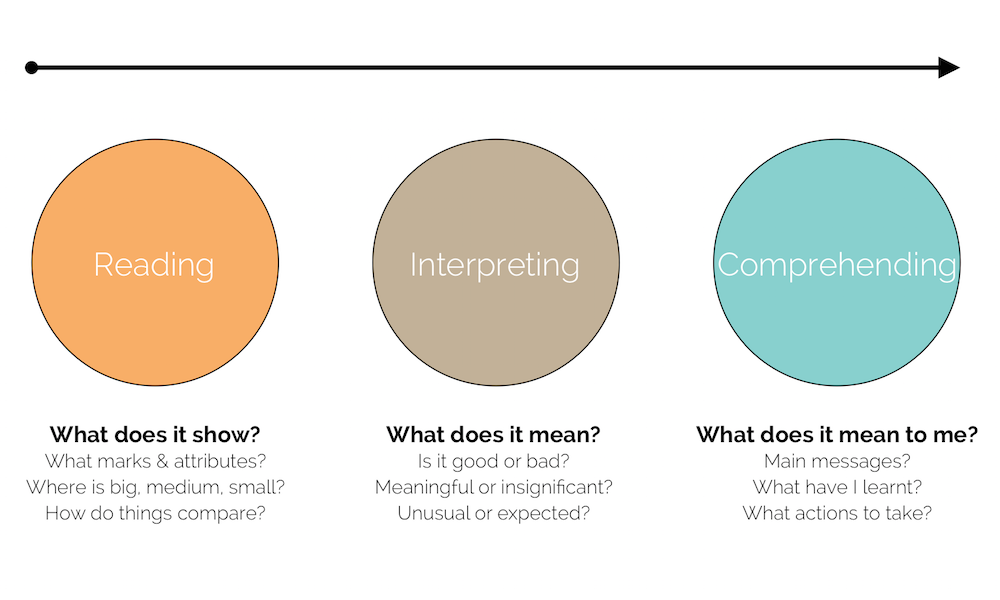
Yesterday I had the pleasure of being invited back by Tableau to deliver a second webinar of this year. The talk was titled ‘Data Visualisation Literacy: Learning to See’ and I discussed some of the findings and reflections from our work on the Seeing Data project.

Just a small personal announcement to share how thrilled I am to have been asked to teach on a brand new Masters programme at the estimable Imperial College Business School. . I will be jointly teaching the Data Visualisation module that runs during January and February alongside the excellent Marc Streit.

In order to sprinkle some star dust into the contents of my book I’ve been doing a few interviews with various professionals from data visualisation and related fields. These people span the spectrum of industries, backgrounds, roles and perspectives.

In order to sprinkle some star dust into the contents of my book I’ve been doing a few interviews with various professionals from data visualisation and related fields. These people span the spectrum of industries, backgrounds, roles and perspectives.

I was very pleased to be invited by Matt Francis and Emily Kund to join them to chat about data visualisation on the latest episode of their ‘Tableau Wanna Be Podcast’. Amongst other things we discussed some of the nevers and shouldn’ts of data visualisation.

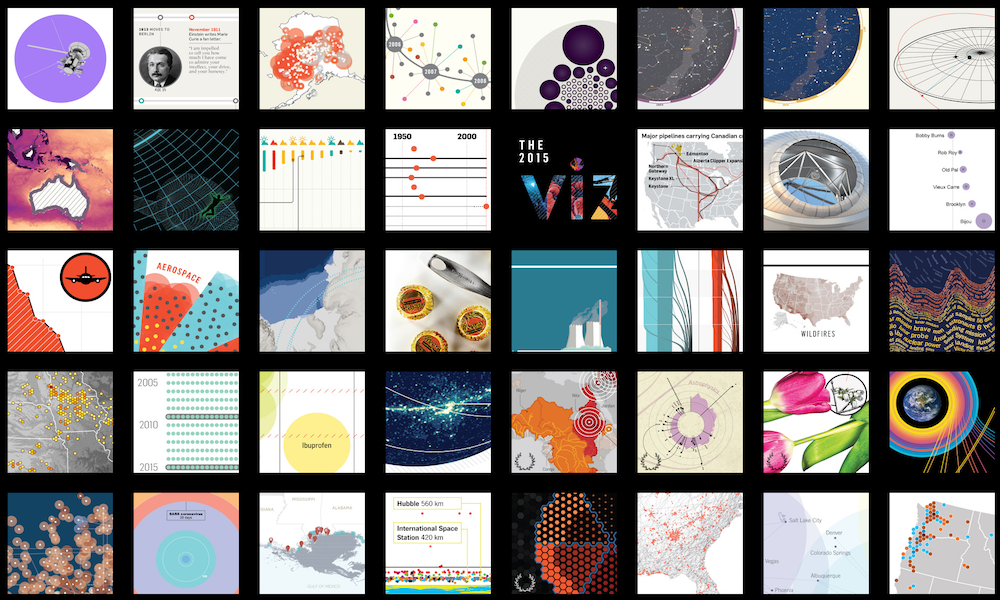
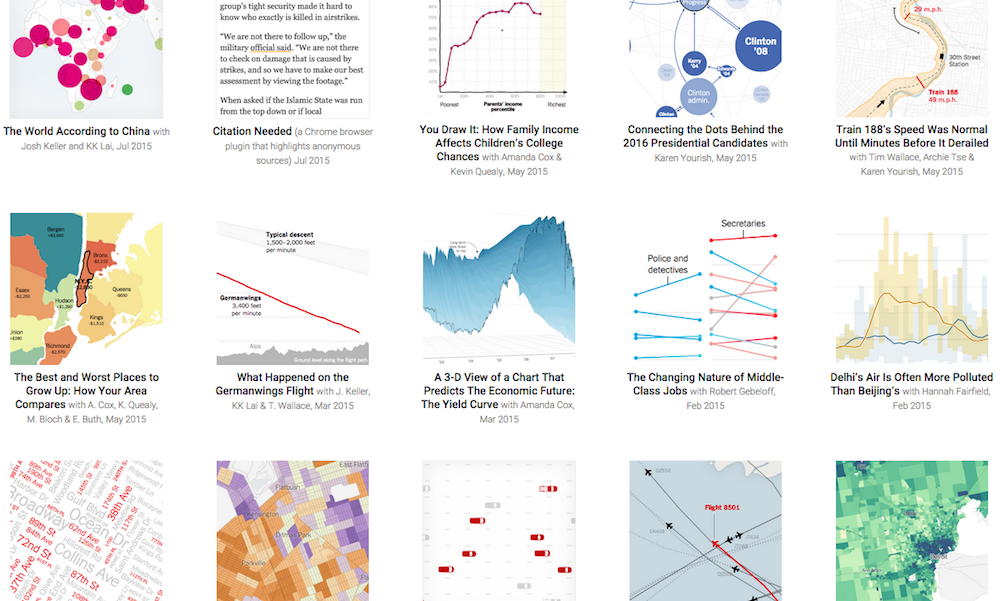
To mark each mid-year and end of year milestone I try to take a reflective glance over the previous 6 months period in the data visualisation field and compile a collection of some of the most significant developments. These are the main projects, events, new sites, trends, personalities and general observations that have struck me as being important to help further the development of this field.

In order to sprinkle some star dust into the contents of my book I’ve been doing a few interviews with various professionals from data visualisation and related fields. These people span the spectrum of industries, backgrounds, roles and perspectives.

Yesterday I tweeted about a confusing graphic from a BBC article dispelling myths about last season’s Premier League. Its a good article with some really interesting content but some of the accompanying graphics hindered rather than enlightened the points being made.

At the end of each month I pull together a collection of links to some of the most relevant, interesting or thought-provoking web content I’ve come across during the previous month. Here’s the latest collection from June 2015.

In order to sprinkle some star dust into the contents of my book I’ve been doing a few interviews with various professionals from data visualisation and related fields. These people span the spectrum of industries, backgrounds, roles and perspectives.

In order to sprinkle some star dust into the contents of my book I’ve been doing a few interviews with various professionals from data visualisation and related fields. These people span the spectrum of industries, backgrounds, roles and perspectives.

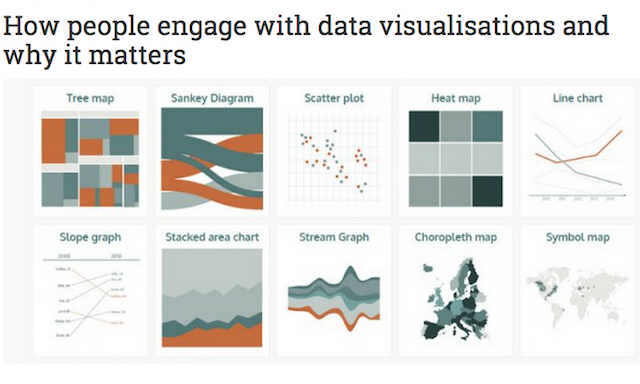
On the Chartered Institute of Library and Information Professionals (CILIP) website, Professor Helen Kennedy, the leader of our Seeing Data research project, has posted an article about ‘how people engage with data visualisations and why it matters’.

At the end of each month I pull together a collection of links to some of the most relevant, interesting or thought-provoking web content I’ve come across during the previous month. Here’s the latest collection from May 2015.

In order to sprinkle some star dust into the contents of my book I’ve been doing a few interviews with various professionals from data visualisation and related fields. These people span the spectrum of industries, backgrounds, roles and perspectives.

As visitors know, I’m in the key stages of book writing. I won’t bore you by repeating the background of that anymore.As you might anticipate, in a book about data visualisation, there is a chapter about data, describing the mechanics for gathering, familiarising with, preparing, analysing etc.

We use analytics cookies to understand how you interact with our website, which helps us improve our content and your user experience. By clicking 'Accept', you consent to our use of these tools. You can change your preferences at any time.